identification
Friable versus non-friable asbestos
Bonded cement sheet is usually non-friable until it is crushed or weathered. Friable ACM needs Class A. You cannot decide the class by eye.
25 September 2026
Friable asbestos can be crumbled, pulverised or reduced to powder by hand when dry. Non-friable (bonded) asbestos is locked in a matrix — typical asbestos-cement sheet — until it is damaged. The class of licence required follows that distinction. You cannot decide the class from a photograph. Engage a licensed asbestos professional.
This guide is educational. It is not a field test, a medical note, or a method for handling either type. Safe Work Australia and your state WHS regulator define the licence classes. This site does not.
Why homeowners meet the words
Quotes and regulator pages use friable and non-friable because Class A and Class B are built on them. Under the model WHS framework, Class A licensed removalists can remove friable and non-friable asbestos. Class B covers non-friable work only. A Class B card is not a Class A job. Confirm the class on the state register — see experience and qualifications.
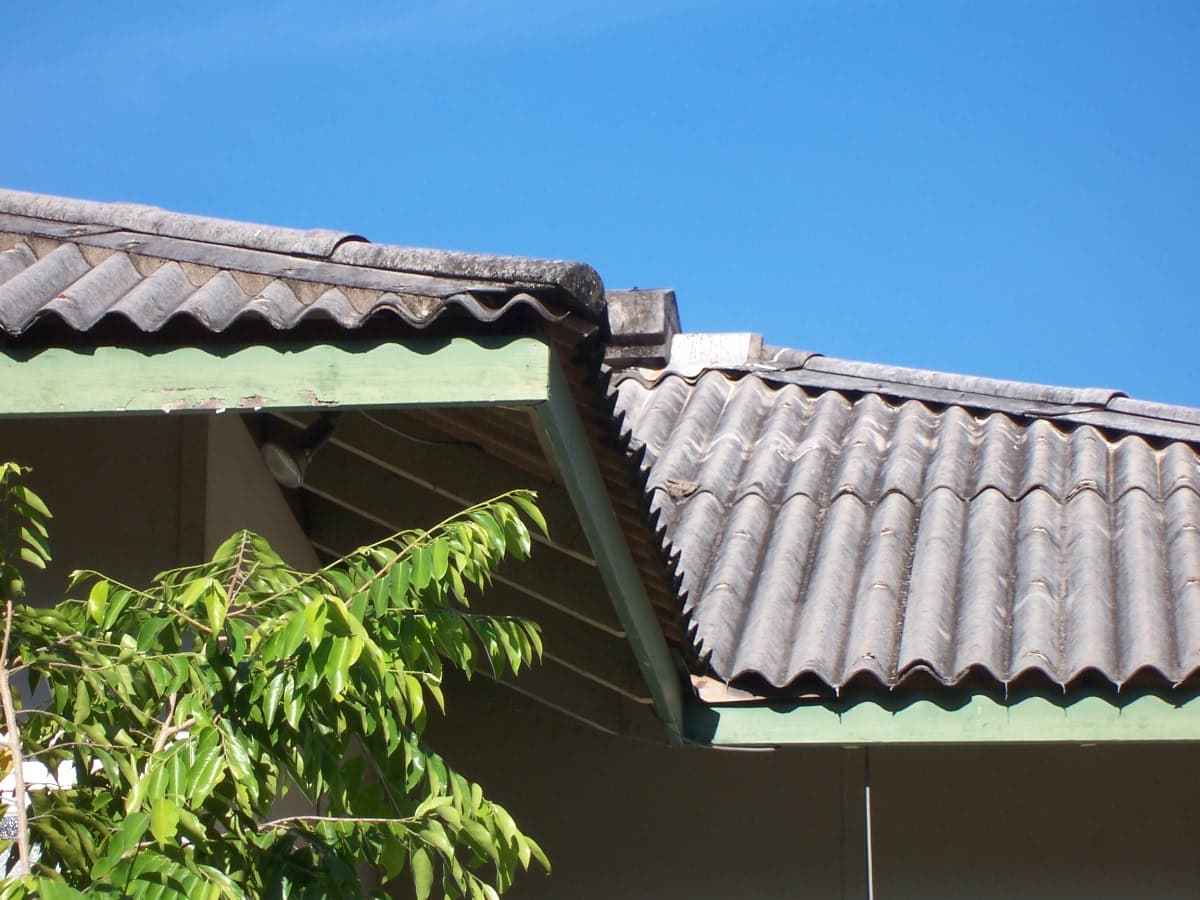
Domestic products people photograph — Super Six, eaves, palings, wet-area sheet — are usually talked about as bonded / non-friable while they stay intact. Insulation, some lagging, and severely damaged cement sheet are the conversations that move toward friable. This site will not publish a hand-crumble test for you to try.
Damage changes the conversation
Bonded sheet that has been sanded, water-blasted, crushed under a boot, smashed off a fence, or left powdery at the edge is not the tidy “non-friable weekend” story some people hope for. Weathering and water damage can deteriorate edges. A pile of broken palings is not a stack of intact products. Do not decide that a job is Class B because the original product was cement sheet.
Public pages also state there is no known safe level of asbestos exposure. That is why this site’s standing advice does not change with the adjective: do not DIY, even where a state page describes a small non-friable exception. See can you legally remove asbestos yourself.
What you cannot see
Friable versus non-friable is not a colour. It is not a corrugation count. It is not “it looks solid in the photo”. Paint hides condition. A later finish can hide a crushed substrate. Vinyl can hide adhesive that is a separate sample. See can you visually identify asbestos and what does asbestos look like.
A competent person decides whether a sample is needed and how it is taken. A NATA-accredited laboratory identifies asbestos in that sample. The laboratory result is not, by itself, a licence class — condition and location still matter. See asbestos testing.
How this affects clearance and waste
Friable removal is the job that typically brings air monitoring and a clearance certificate from a licensed asbestos assessor. This site does not issue clearance. See what is an asbestos clearance certificate. Waste from either class still goes to an approved facility, not a mixed skip — asbestos collection and disposal. Do not load a “mostly bonded” pile into a trailer.
Workplace registers use the same vocabulary. That is a WHS duty for PCBUs, not a homeowner legal duty we will invent. See asbestos registers and management plans.
What to do if you only know the product name
Describe the suburb, the element and whether anything is already broken — without touching it. Request a licensed assessment via contact us or [email protected]. Leave Super Six, palings and eaves where they are. Always engage a licensed asbestos professional. Verify Class A or Class B on the register for the state where the work will happen.
Read Safe Work Australia — asbestos, WHS duties, ASEA, and your state asbestos site (NSW, Victoria, Queensland, WA or SA). If a sentence here ever disagrees with those pages, follow the regulator.
City housing stock does not change the class test. Perth palings, Brisbane Super Six, Adelaide soffits, Melbourne eaves and Sydney fibro are usually discussed as bonded products while intact. A storm pile or a water-blasted eave is a different sentence. Use the capital hub only for the regulator name.
If someone offers to “just take the bonded bits” without a licence check, that is not a class conversation — it is a reason to stop. See how to choose a licensed asbestos removalist.
Official reading
- Safe Work Australia
- WHS duties
- ASEA
- State asbestos sites via the capital hubs on this domain
Weathering does not stay in one column
Bonded sheet can become easier to crumble after fire, long weather, or mechanical damage. That is why a Class B assumption based on a product brochure is not a plan. The licensed assessor and removalist decide the class against the material in front of them. Homeowners do not. If a fence paling powders in your hand, stop, keep people away, and engage a licensed asbestos professional — likely a Class A conversation. Do not keep snapping palings to “check the rest”.
If this article made you pause a renovation
Leave the material alone and engage a licensed asbestos professional. We can take a suburb and a short description.